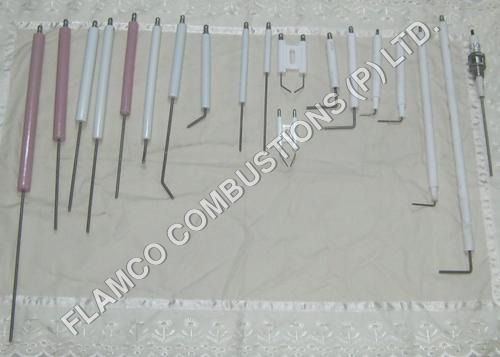
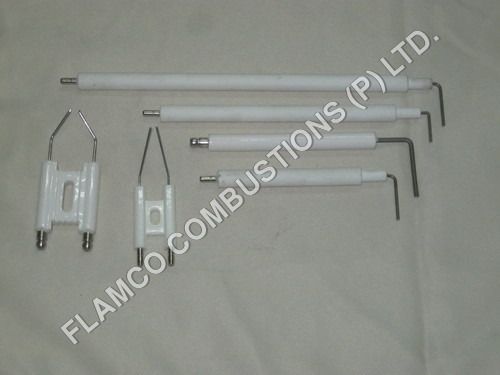
About Ignition Electrodes
Abiding by our quality focus approach, we have been able to wholesale and export an optimum range of best quality Ignition Electrodes. These electrodes are made using high grade alumina and nickel and magnesium alloys at our vendors' ends using hi-tech machines and tools. Ergonomically engineered, our offered electrodes can withstand high temperature as well. In addition to this, we make sure to deliver these electrodes at the best market price and that too within the promised time frame. Ignition Electrodes offered by us find a host of applications in various equipment:
- Water heaters
- Boilers
- Ovens
- Gas appliances
Available Model No.
- H type
- 8 * 100 * 100
- 10 * 100 * 100
- 12 * 100 * 100
- E2- 125
- E4 - 150
- E4- 200
- E2 - 150
Technical Specification
| Insulation | PTFE or polypropylene |
| Electrode Material | Aluminum |
| Electrode Diameter | 1.6/ 1.9/ 2.5/ 3.0mm |
| Electrode Type | Furnace Electrode |
Premium Nickel Alloy Tip for Consistent IgnitionThe ignition electrode features a tip constructed from nickel alloy, ensuring quick and reliable ignition every time. This robust material enhances conductivity and resists wear over prolonged use, making it well-suited for both commercial and domestic gas burner applications. Its durable tip design minimizes maintenance and maximizes burner efficiency in a variety of settings.
High-Grade Ceramic Insulation for Superior SafetyTo withstand extreme temperatures (up to 1000C), the electrode is insulated with high-quality ceramics. This advanced ceramic material offers excellent electrical insulation and thermal resistance, helping to prevent leakage currents and safeguarding operational reliability. The sturdy insulation supports safe operation under demanding conditions, including high-voltage operation up to 20 kV.
Universal Compatibility and Easy InstallationEngineered with a standard rod-style structure and available in threaded or flange mount options, this ignition electrode is compatible with most popular gas burner models. Its universal design simplifies replacement and retrofitting tasks for engineers and technicians, while the included connector ensures secure and efficient setup during installation.
FAQs of Ignition Electrodes:
Q: How is the ignition electrode installed on gas burners?
A: The electrode can be mounted using threaded or flange fittings, making it compatible with most gas burner models. Installation involves connecting the electrode using the provided connector and securing it in the burner housing to ensure optimal spark generation.
Q: What makes the nickel alloy tip advantageous over other materials for ignition electrodes?
A: Nickel alloy provides superior conductivity and resistance to wear, ensuring consistent performance and a long operational life. This results in trustworthy ignition for up to 250,000 cycles, reducing the need for frequent replacements.
Q: When should I replace the ignition electrode in my gas burner?
A: Typically, an electrode should be replaced after noticeable ignition failures or if it has completed its expected lifespan of over 250,000 ignitions. Routine checks in high-use environments are advised to maintain reliability and safety.
Q: Where can these ignition electrodes be used?
A: They are universally compatible and can be used with most gas burners found in industrial, commercial, and residential settings, provided the burner design accommodates an 80 mm rod-style electrode.
Q: What is the process for checking the electrodes performance?
A: Check for stable sparking and inspect both the ceramic insulator and metallic tip for any visible damage, charring, or corrosion. If performance issues persist, consider testing with a multimeter or consulting your burners manual.
Q: What are the benefits of high-grade ceramic insulation in this electrode?
A: High-grade ceramic insulation offers robust protection against high temperatures (up to 1000C) and electrical leakage, ensuring safe and efficient operation even under demanding voltage conditions up to 20 kV.
Q: How are the electrodes packaged and what is their condition upon delivery?
A: Each electrode is individually packed in a box to safeguard against transit damage and is supplied in new condition, ready for immediate installation.




 Send Inquiry



 Send Inquiry
 Send Inquiry
 Send SMS
