About Valve Proving System
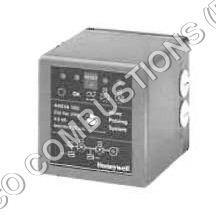
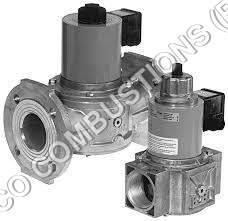
In order to fulfill the need of various demanded of our customers, we are engaged in offering premium quality Valve Proving System. This system is manufactured by our highly experienced team using superior grade materials. It is used for checking the effective closure of automatic shut off valves with the aid of pressure switches. In order to meet the specific requirements of our clients, this Valve Proving System is available in varied specifications at highly affordable prices.
Features:
- Long service life
- Hassle free operation
- Compact structure
Model no - V4021
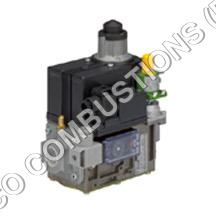
V4021 is self - checking microprocessor based valve proving system .
This acts prior to firing of the burner , This checks the effective closure of automatic shut -off valves for leakages with the help of pressure switches . In case of leakage this will not allow firing of burner to take place .
Reliable Safety for Gas Supply SystemsDesigned to safeguard gas supply valves, this valve proving system routinely verifies shut-off valve integrity before operation. Its advanced self-monitoring features and fault memory provide continuous status tracking and prevent hazardous leaks, ensuring dependable safety for industrial and commercial environments.
Flexible Installation and OperationThe system supports both wall and panel mounting, with selectable voltage (230V AC or 24V DC) and pin options. Its modular design adapts seamlessly to different setups. Operating either as a standalone or integrated unit, it is flexible enough for new projects or retrofits, simplifying adoption and maintenance.
Comprehensive Diagnostics and AlarmsEquipped with a digital LED display for immediate status feedback and fault alerts, this system also generates audible and visual alarms to notify operators of anomalies. Advanced diagnostic functions, including fault memory and self-monitoring, expedite troubleshooting and minimize downtime.
FAQs of Valve Proving System:
Q: How does the valve proving system enhance safety in gas supply applications?
A: The system conducts automatic integrity checks of shut-off valves prior to startup, rapidly identifying leaks or faults within 5 to 60 seconds. Audible and visual alarms, along with LED indications and digital fault diagnostics, alert operators to potential issues, greatly reducing risks associated with gas leaks.
Q: What is the process for conducting a valve test and how are results displayed?
A: Initiating the valve test is straightforward, involving either manual or automatic reset modes. The system measures valve integrity during the adjustable test cycle (560 seconds), with results and fault status shown clearly on the digital LED display. Audible and visual alarms further indicate abnormal conditions.
Q: Where can this valve proving system be installed?
A: Thanks to its IP65 protection rating and modular structure, the system is suitable for installation in industrial and commercial environments, whether mounted on a wall or within a control panel. It withstands extreme temperatures and harsh atmospheres, ensuring reliable operation in varied locations.
Q: What media and pressure ranges does this system support?
A: Designed to work with natural gas, LPG, and air, the system handles pressures from 0.5 to 8 bar. The valve construction incorporates stainless steel and aluminum alloy, with EPDM or NBR sealing, providing durable compatibility with these mediums and pressure conditions.
Q: Which standards does the valve proving system comply with for safety and reliability?
A: The system is built to meet stringent global standards, including EN 1643, EN 161, and IEC 60730, ensuring high performance, reliability, and safety for all gas supply applications. These certifications guarantee suitability for demanding industrial and commercial usage.
Q: What benefits does the self-monitoring and fault memory feature offer?
A: The integrated self-monitoring capabilities automatically track system status and log faults. This facilitates quick identification of issues, aids preventive maintenance, and reduces the risk of unnoticed malfunctions, ultimately supporting continuous system integrity and reduced downtime.




 Send Inquiry



 Send Inquiry
 Send Inquiry
 Send SMS
